117 — Noise Halos and Chromatic Aberration — Interview with Royce Howland

Pho­tog­ra­phy pod­cast #117 fea­tures an inter­view with fine art pho­tog­ra­pher Royce How­land where we dis­cuss the ‘junk’ that can get into our pho­tographs. In par­tic­u­lar we dis­cuss and dis­sect noise, halos and chro­matic aber­ra­tion in pho­tog­ra­phy. We talk about how to avoid get­ting these prob­lems, how to fix these prob­lems and how for some pho­tog­ra­phers — these aren’t prob­lems at all but rather, delib­er­ate cre­ative choices.

Royce does an AWESOME job of explain­ing these prob­lems so that they are under­stand­able to anyone. 

This is the longest pod­cast I’ve pub­lished to date and it clocks in at around 70 min­utes. We spend roughly 20 min­utes on each of the 3 top­ics. We cover halos first, then noise, then chro­matic aber­ra­tion. Each of the 3  issues have very dif­fer­ent causes and solutions.

Scroll to the BOTTOM of this post to find the player to imme­di­ately lis­ten to the audio podcast.

On the Rocks, Moraine Lake by Royce Howland

On the Rocks, Moraine Lake by Royce How­land — An HDR exam­ple where Royce con­trolled the set­tings to make sure no halos appeared in the sky or water.

Fall at Abraham Lake by Royce Howland

Fall at Abra­ham Lake by Royce How­land — Another HDR exam­ple where Royce left the halo­ing in the sky, and in fact accen­tu­ated it a bit more via a Pho­to­shop Curves adjust­ment, to give a sense of glow over the moun­tains. So some­times halos are not a flaw, they’re a cre­ative choice.

Looming, Abraham Lake by Royce Howland

Loom­ing, Abra­ham Lake by Royce How­land — An HDR exam­ple involv­ing a high con­trast back­lit scene. The trees were deeply shad­owed. Even on a Pen­tax 645D medium for­mat cam­era, there’s noise in those trees in a nor­mal sin­gle expo­sure. Bot­tom left — A 100% crop of a sin­gle expo­sure that went into the image above show­ing the level of noise in the trees. Bot­tom right — A 100% crop of the final image. Using a com­bi­na­tion of HDR tech­nique and a touch of addi­tional noise reduc­tion, I was able to sub­tly boost the con­trast in the deep shad­ows, pre­serve all of the gen­uine detail, and also vir­tu­ally elim­i­nate the dig­i­tal noise. With­out HDR tech­nique, just using a noise reduc­tion fil­ter can take the dig­i­tal noise down but gen­er­ally also will sac­ri­fice legit­i­mate detail as well.

Ghost Of Server Present, Jerome by Royce Howland

Ghost Of Server Present, Jerome by Royce How­land — An indoor shot taken with avail­able light in some­what dim con­di­tions at a sup­pos­edly haunted hotel. I’m using a bunch of cre­ative tech­niques here includ­ing shal­low depth of field, a reflec­tion in a mir­ror, sub­ject motion blur and extra dig­i­tal blur­ring. Despite the soft­en­ing effects of all the tech­niques used in this image, I also wanted a bit of tex­ture and bit of “vin­tage film grain” feel. So far from remov­ing all dig­i­tal noise, I actu­ally con­trolled it and then added a uni­form mono­chro­matic grain layer on top of every­thing in Pho­to­shop. In print up to 16x20 size it’s dif­fi­cult to see this grain, but on a nice matte paper it gives a slight feel­ing of tex­ture; whereas run­ning noise reduc­tion as I would nor­mally do in fact makes the results look­ing flat and plas­tic. You can see the noise detail added in the bot­tom detailed part of the image.

Chromatic aberration example at f/3.5 by Royce Howland

Chro­matic aber­ra­tion exam­ple at f/3.5 by Royce How­land — It was a bit after noon so the sun was high, and I shot straight into the light. The tree branches against a darker back­ground show extremely high con­trast edges. I was using a Sony RX100 pocket cam­era, which is a very high qual­ity point & shoot with a Carl Zeiss lens. So a qual­ity piece of kit for a com­pact. The first com­po­si­tion was at medium lens zoom and the aper­ture wide open — f/3.5. Bot­tom left — A 100% crop of the shot shows a lot of green and pur­ple fringes are vis­i­ble along the branch edges. Even towards the cen­ter of the lens, the chro­matic aber­ra­tion is pretty bad. This is a file con­verted from RAW using the lat­est Adobe Cam­era Raw in Pho­to­shop CS6, no chro­matic aber­ra­tion removal. Bot­tom right — Now here’s the iden­ti­cal file, but using the green and pur­ple fringe removal set­tings dur­ing RAW con­ver­sion. Quite strong set­tings were needed for the green fringes, not so strong for pur­ple. Mostly the fringes were removed.

Chromatic aberration example at f/5.6 by Royce Howland

Chro­matic aber­ra­tion exam­ple at f/5.6 by Royce How­land — Now here is the same com­po­si­tion pho­tographed again moments later in the same strong light, but stop­ping the lens down to f/5.6. Bot­tom left — Stop­ping the lens down just over 1 stop has actu­ally got­ten rid of many of the pur­ple & green fringes with­out doing any­thing else. That’s because a slightly smaller aper­ture lets through less of the mis­aligned light rays that con­tribute to the chro­matic aber­ra­tion in the first place. This is a RAW file con­verted again with no chro­matic aber­ra­tion set­tings. Bot­tom right — And here’s the same file con­verted with a small amount of pur­ple and green defringe set­tings, much less than needed in the first exam­ple and the results look better.


Links /resources men­tioned in this pod­cast:
Royce How­land Pho­tog­ra­phy
Photo real­is­tic HDR pod­cast with Royce How­land
Wikipedia Chro­matic Aber­ra­tion
DXO Optics
Topaz Denoise
Nik DFINE 2
Noise Ninja
PTLens
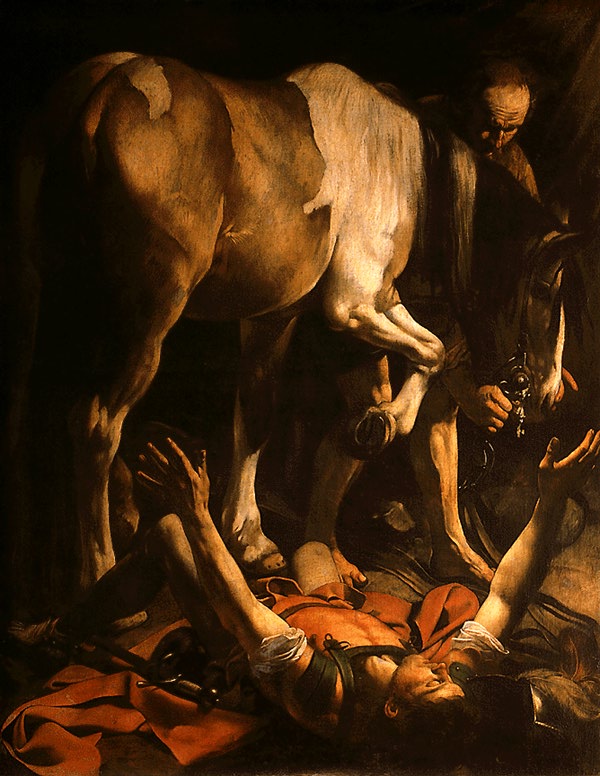
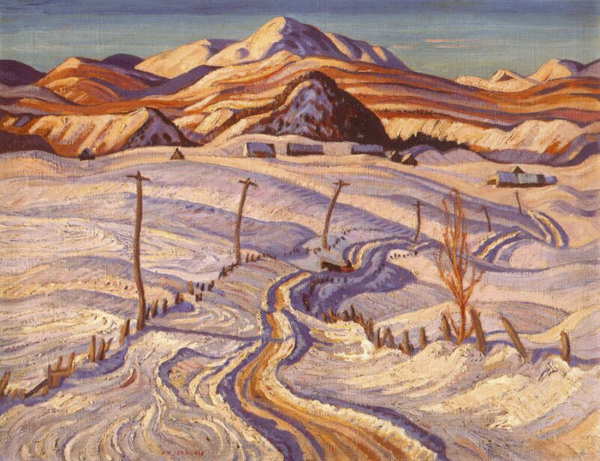
Emily Carr Images - She delib­er­ately painted in what we today call Halos. Shore­line, 1936 is an exam­ple.

If you liked this pod­cast and want to review it on Itunes, this link gets you to the main page

If you are inter­ested in writ­ing for our blog please con­tact me photography.ca ( A T ) G m ail Dot co m (using stan­dard email formatting)

Please join the Photography.ca fan page on Facebook

My Face­book pro­file — Feel free to “friend” me — please just men­tion Photography.ca
My Twit­ter page — I will fol­low you if you fol­low me — Let’s con­nect — PLEASE email me and tell me who you are in case I don’t rec­i­p­ro­cate because I think you are a spammer.

If you are still lurk­ing on our forum,
feel free to join our friendly :)  Pho­tog­ra­phy forum

Thanks to Jared Fein and Enrique Waizel who posted a blog com­ment about our last pod­cast. Thanks as well to every­one that sent com­ments by email about our last pod­cast. Although ALL com­ments are appre­ci­ated, com­ment­ing directly in this blog is pre­ferred. Thanks as well to all the new mem­bers of the bul­letin board. Most of the links to actual the prod­ucts are affil­i­ate links that help sup­port this site. Thanks in advance if you pur­chase through those links.

If you are look­ing at this mate­r­ial on any other site except Photography.ca — Please hop on over to the Photography.ca blog and pod­cast and get this and other pho­tog­ra­phy info directly from the source. |Sub­scribe with iTunes|Sub­scribe via RSS feed |Sub­scribe with Google Reader|Sub­scribe for free to the Pho­tog­ra­phy pod­cast — Photography.ca and get all the posts/podcasts by Email

You can down­load this pho­tog­ra­phy pod­cast directly by click­ing the pre­ced­ing link or lis­ten to it almost imme­di­ately with the embed­ded player below.
Thanks for lis­ten­ing and keep on shooting!

116 — Sharpness on Steroids — Focus stacking interview with Michael Breitung

Pho­tog­ra­phy pod­cast #116 fea­tures an inter­view with Ger­man land­scape pho­tog­ra­pher Michael Bre­itung where we talk about why and how to do focus stack­ing in pho­tog­ra­phy. Basi­cally focus stack­ing involves tak­ing mul­ti­ple frames of the same scene but each frame is focused at a dif­fer­ent part of the image. Then these frames are blended together using a graph­ics pro­gram like Gimp (free) or Pho­to­shop (expen­sive). The result is sharp­ness and depth of field on steroids that can’t be matched by any cam­era lens com­bi­na­tion on a 35mm DSLR cam­era at the time of this writ­ing.  Only tilt shift lenses can com­pete in this extreme sharp­ness arena, but those lenses require many saved dol­lars or a rich uncle. This tech­nique is free if you have the skills and a graph­ics program.

Scroll to the BOTTOM of this post to find the player to imme­di­ately lis­ten to the audio podcast.

Bloody Causeway - a focus stacked image by Michael Breitung

Bloody Cause­way by Michael Bre­itung — This focus stacked image blends 4 frames into one. Each frame was focused at a dif­fer­ent point and then blended in Pho­to­shop. Check out the sharp­ness from the clos­est cor­ners all the way to the end of the cause­way. This is sharp­ness swim­ming in awe­some sauce. The aper­ture used here was f/9.5


Kraichgau at Dawn - Focus stacked photograph by Michael Breitung

Kraich­gau at Dawn — Focus stacked pho­to­graph by Michael Breitung


Kraichgau at Dawn - Close up comparison by Michael Breitung

Kraich­gau at Dawn Details — Close up com­par­i­son by Michael Bre­itung — Only 2 frames were needed to cre­ate the final full-sized image above this one. One frame (left) focused at the fore­ground cor­ners, gets the cor­ners sharp in the final image. The other frame (right) focused at the midground, gets both the midground and the back­ground sharp. Then the frames are blended in Pho­to­shop to pro­duce the final image. The aper­ture used here was f/11.


Links /resources men­tioned in this pod­cast:
Michael Bre­itung Pho­tog­ra­phy
Michael Breitung’s (advanced) start to fin­ish tuto­r­ial on his (Lightroom/Photoshop) post-processing work­flow and how he cre­ated the Bloody Cause­way image.
Heli­con Focus image stack­ing soft­ware
Zerene Stacker
Tilt shift lenses in land­scape pho­tog­ra­phy
March 2013 reg­u­lar Assign­ment — Wet or Rain
March 2013 level 2 Assign­ment — Dra­matic angles

If you liked this pod­cast and want to review it on Itunes, this link gets you to the main page

If you are inter­ested in writ­ing for our blog please con­tact me photography.ca (   A   T  ) G m ail  Dot co m (using stan­dard email formatting)

Please join the Photography.ca fan page on Facebook

My Face­book pro­file — Feel free to “friend” me — please just men­tion Photography.ca
My Twit­ter page — I will fol­low you if you fol­low me — Let’s con­nect — PLEASE email me and tell me who you are in case I don’t rec­i­p­ro­cate because I think you are a spammer.

If you are still lurk­ing on our forum,
feel free to join our friendly :)  Pho­tog­ra­phy forum

Thanks to D. Lavoie who posted a blog com­ment about our last pod­cast. Thanks as well to every­one that sent com­ments by email about our last pod­cast. Although ALL com­ments are appre­ci­ated, com­ment­ing directly in this blog is pre­ferred. Thanks as well to all the new mem­bers of the bul­letin board. Most of the links to actual the prod­ucts are affil­i­ate links that help sup­port this site. Thanks in advance if you pur­chase through those links.

If you are look­ing at this mate­r­ial on any other site except Photography.ca — Please hop on over to the Photography.ca blog and pod­cast and get this and other pho­tog­ra­phy info directly from the source. |Sub­scribe with iTunes|Sub­scribe via RSS feed |Sub­scribe with Google Reader|Sub­scribe for free to the Pho­tog­ra­phy pod­cast — Photography.ca and get all the posts/podcasts by Email
You can down­load this pho­tog­ra­phy pod­cast directly by click­ing the pre­ced­ing link or lis­ten to it almost imme­di­ately with the embed­ded player below.
Thanks for lis­ten­ing and keep on shooting!

115 — Color spaces — monitor settings — recommended hardware — Interview with Joe Brady

Pho­tog­ra­phy pod­cast #115 fea­tures an inter­view with Colour expert Joe Brady who works for Mac­group US.
Joe knows pretty much every­thing there is to know about get­ting accu­rate colour from your mon­i­tor and your printer. Joe has recorded 2 pod­casts with us already about mon­i­tor cal­i­bra­tion and those links are listed below in the shownotes. In this pod­cast, we tackle some colour con­cepts that are a source of con­fu­sion for many peo­ple. We talk about mon­i­tor set­tings like colour tem­per­a­ture, gamma, and lumi­nance. Then we tackle the sRGB, Adobe RGB and Prophoto RGB colour spaces and explain what they are, the advan­tages of each and when and where they are most use­ful. Finally, Joe rec­om­mends some cal­i­bra­tion tools, mon­i­tors and printers.

Scroll to the BOTTOM of this post to find the player to imme­di­ately lis­ten to the audio podcast.

Color spaces in photography

This image shows off the 3 main color spaces. You’ll note that the ProPhoto RGB color space con­tains the most col­ors. This makes it the best color space for print­ing your own images on a qual­ity printer. When post­ing to the web, the colour space should be sRGB as that is the type of mon­i­tor that most peo­ple have.

Links /resources men­tioned in this pod­cast:
Pod­cast 62 – Mon­i­tor – printer cal­i­bra­tion – Inter­view with Joe Brady
Pod­cast 63 – Review of the Col­or­munki and the i1XTreme
Joe Brady Pho­tog­ra­phy
X-Rite Col­or­Munki Photo Color Man­age­ment Solu­tion at B&H
X-Rite Col­or­Munki Dis­play at B&H
Eizo FlexS­can SX2262W at B&H
Eizo Col­orEdge CG223W 22 at B&H

If you liked this pod­cast and want to review it on Itunes, this link gets you to the main page

If you are inter­ested in writ­ing for our blog please con­tact me photography.ca (   A   T  ) G m ail  Dot co m (using stan­dard email formatting)

Please join the Photography.ca fan page on Facebook

My Face­book pro­file — Feel free to “friend” me — please just men­tion Photography.ca
My Twit­ter page — I will fol­low you if you fol­low me — Let’s con­nect — PLEASE email me and tell me who you are in case I don’t rec­i­p­ro­cate because I think you are a spammer.

If you are still lurk­ing on our forum,
feel free to join our friendly :)  Pho­tog­ra­phy forum

Thanks to Mikey88  who posted a blog com­ment about our last pod­cast. Thanks as well to every­one that sent com­ments by email about our last pod­cast. Although ALL com­ments are appre­ci­ated, com­ment­ing directly in this blog is pre­ferred. Thanks as well to all the new mem­bers of the bul­letin board. Most of the links to actual the prod­ucts are affil­i­ate links that help sup­port this site. Thanks in advance if you pur­chase through those links.

If you are look­ing at this mate­r­ial on any other site except Photography.ca — Please hop on over to the Photography.ca blog and pod­cast and get this and other pho­tog­ra­phy info directly from the source. |Sub­scribe with iTunes|Sub­scribe via RSS feed |Sub­scribe with Google Reader|Sub­scribe for free to the Pho­tog­ra­phy pod­cast — Photography.ca and get all the posts/podcasts by Email
You can down­load this pho­tog­ra­phy pod­cast directly by click­ing the pre­ced­ing link or lis­ten to it almost imme­di­ately with the embed­ded player below.
Thanks for lis­ten­ing and keep on shooting!

114 — 360 degree light painting — Interview with Patrick Rochon

Pho­tog­ra­phy pod­cast #114 fea­tures an inter­view with light painter Patrick Rochon who dis­cusses his new exper­i­men­tal 360 degree light paint­ing tech­nique. In a nut­shell, Patrick light paints a model who stands in the mid­dle of a ring as 24 DSLR cam­eras around the ring expose the scene at the same time. The frames are then strung together with soft­ware to give the illu­sion of cir­cu­lar move­ment. Patrick and I talk about his new work, his older work, and we talk about Patrick’s light paint­ing process as well.

Scroll to the BOTTOM of this post to find the player to imme­di­ately lis­ten to the audio podcast.


360 Degree light paint­ing by Patrick Rochon

This is a Gif ani­ma­tion that Patrick cre­ated from one of the 360 degree light paint­ing sessions

light painting by Patrick Rochon - animated Gif

Light paint­ing by Patrick Rochon — Ani­mated Gif


This is the ‘ring’ where Patrick lit the mod­els:
light painting by Patrick Rochon

While I was at Patrick’s place record­ing this inter­view, I noticed a gallery of new light painted (non 360) pho­tographs on his wall that were gor­geous. This image below was one that I really liked — Thx for send­ing it Patrick!

light painting by Patrick Rochon
Light paint­ing by Patrick Rochon ©Patrick Rochon

Links /resources men­tioned in this pod­cast:

patrickrochon.com
24x360.comTime­code LabEric Paré
Pod­cast #82 — Light paint­ing por­traits
LPWA – Light Paint­ing World Alliance
Light paint­ing pho­tog­ra­phy
Ani­mated gif pho­tog­ra­phy (AKA Cin­ema­graphs)
Aurora Crow­ley Light Painter 
Begin­nings — New —  is our reg­u­lar forum assign­ment for Jan­u­ary
– Light paint­ing — light draw­ing is our level 2 forum assign­ment for Jan­u­ary 
Photo tours of Montreal

If you liked this pod­cast and want to review it on Itunes, this link gets you to the main page

If you are inter­ested in writ­ing for our blog please con­tact me photography.ca (   A   T  ) G m ail  Dot co m (using stan­dard email formatting)

Please join the Photography.ca fan page on Facebook

My Face­book pro­file — Feel free to “friend” me — please just men­tion Photography.ca
My Twit­ter page — I will fol­low you if you fol­low me — Let’s con­nect — PLEASE email me and tell me who you are in case I don’t rec­i­p­ro­cate because I think you are a spammer.

If you are still lurk­ing on our forum,
feel free to join our friendly :)  Pho­tog­ra­phy forum

Thanks to Photo Stu­dios  who posted a blog com­ment about our last pod­cast. Thanks as well to every­one that sent com­ments by email about our last pod­cast. Although ALL com­ments are appre­ci­ated, com­ment­ing directly in this blog is pre­ferred. Thanks as well to all the new mem­bers of the bul­letin board. Most of the links to actual the prod­ucts are affil­i­ate links that help sup­port this site. Thanks in advance if you pur­chase through those links.

If you are look­ing at this mate­r­ial on any other site except Photography.ca — Please hop on over to the Photography.ca blog and pod­cast and get this and other pho­tog­ra­phy info directly from the source. |Sub­scribe with iTunes|Sub­scribe via RSS feed |Sub­scribe with Google Reader|Sub­scribe for free to the Pho­tog­ra­phy pod­cast — Photography.ca and get all the posts/podcasts by Email
You can down­load this pho­tog­ra­phy pod­cast directly by click­ing the pre­ced­ing link or lis­ten to it almost imme­di­ately with the embed­ded player below.

Thanks for lis­ten­ing and keep on shooting!

113 — Six essential photography day trip accessories

Pho­tog­ra­phy pod­cast #113 dis­cusses what I feel are six essen­tial acces­sories for day trip pho­tog­ra­phy. I just came back from a super-quick trip to Nevada where I did solo day trips on 2 days to Red Rock Canyon and Val­ley of Fire State Park.

For now, my day trips to national/state/provincial/local parks and other cool places are easy ON-TRAIL day trips and the acces­sories that I’ve cho­sen to talk about reflect this. I go into detail about why these 6 acces­sories are essen­tial in the pod­cast. The list I’ve come up with includes a tri­pod, polar­iz­ing fil­ter, hik­ing shoes/boots, polar­ized sun­glasses, a lens cloth and knee-pads.

Of course I’m SUPER-CURIOUS as to any other acces­sories lis­ten­ers may sug­gest, so please feel free to let me know if you think I missed something.

6 essential accessories for day trip photography
Pharaoh Rock — Val­ley of Fire State Park, Nevada, USA  ©Marko Kulik

Links /resources men­tioned in this podcast:

REI Las Vegas - Awe­some sport­ing store — Ask for Tommy, he’s awesome.

Tripods for pho­tog­ra­phy Pod­cast #96

Polar­iz­ing fil­ters and other impor­tant fil­ters Pod­cast #77

If you liked this pod­cast and want to review it on Itunes, this link gets you to the main page

If you are inter­ested in writ­ing for our blog please con­tact me photography.ca (   A   T  ) G m ail  Dot co m (using stan­dard email formatting)

Please join the Photography.ca fan page on Facebook

My Face­book pro­file — Feel free to “friend” me — please just men­tion Photography.ca
My Twit­ter page — I will fol­low you if you fol­low me — Let’s con­nect — PLEASE email me and tell me who you are in case I don’t rec­i­p­ro­cate because I think you are a spammer.

If you are still lurk­ing on our forum,
feel free to join our friendly :)  Pho­tog­ra­phy forum

MY APOLOGIES THAT THE WEBSITE FIELD TO COMMENT WASN’T THERE, PLEASE JUST CONNECT WITH ME TO ADD IT. I’LL GET THIS FIXED FOR THE NEXT PODCAST.

Thanks to Mac Sokul­ski, Dave John­son, Enrique Waizel, Bernard Dal­laire, JP, Bret Far­ris and Syl­vain Raci­cot who posted  blog com­ments about our last pod­cast.. Thanks as well to every­one that sent com­ments by email about our last pod­cast. Although ALL com­ments are appre­ci­ated, com­ment­ing directly in this blog is pre­ferred. Thanks as well to all the new mem­bers of the bul­letin board. Most of the links to actual the prod­ucts are affil­i­ate links that help sup­port this site. Thanks in advance if you pur­chase through those links.

If you are look­ing at this mate­r­ial on any other site except Photography.ca — Please hop on over to the Photography.ca blog and pod­cast and get this and other pho­tog­ra­phy info directly from the source. |Sub­scribe with iTunes|Sub­scribe via RSS feed |Sub­scribe with Google Reader|Sub­scribe for free to the Pho­tog­ra­phy pod­cast — Photography.ca and get all the posts/podcasts by Email
You can down­load this pho­tog­ra­phy pod­cast directly by click­ing the pre­ced­ing link or lis­ten to it almost imme­di­ately with the embed­ded player below.

Thanks for lis­ten­ing and keep on shooting!

112 — Why camera bags suck

Pho­tog­ra­phy pod­cast #112 addresses a ques­tion posed by Gor­don Laing on Google+
The best cam­era bag — what do you use?

I replied to that ques­tion say­ing that these days I usu­ally shoot bag free and keep my lenses that are in lens hold­ing cases, attached to my belt as per the pic­ture below. In case peo­ple are inter­ested, here is a list of the items that I carry with me most of the time with­out a bag. Gitzo car­bon fibre tri­pod (2540LLVL) also referred to as ‘my baby’. That’s on a Gitzo tri­pod shoul­der strap slung diag­o­nally around my shoul­der. It’s an ‘OK’ strap, no bet­ter. I’m still hunt­ing for the per­fect tri­pod shoul­der strap. Usu­ally I carry 3 lenses;  Nikon 14–24, Nikon 28–300, Nikon 50mm and 1 flash, the SB-800.

More details on the exact lenses and lens hold­ers are listed in the affil­i­ate links below from B&H.

I also carry in my pock­ets a cable release, spare bat­ter­ies, lens cloth and a hex key for my cam­era bracket plate. Not shown is the flash­light that I’ll often have with me for night shoots. Not shown are the cokin fil­ters that I some­times keep in a pouch around my neck.

Obvi­ously this setup will not work for many peo­ple car­ry­ing very large lenses and heav­ier gear — but this will work for most peo­ple that shoot with lenses that are about as large as an aver­age 70-200mm  F-2.8. This setup is also meant to give peo­ple new ideas on car­ry­ing gear.

I’m also seri­ously into know­ing if other peo­ple have alter­na­tive gear car­ry­ing meth­ods so please feel free to share by commenting.

No camera bag

Although it’s no fash­ion get up, this set-up allows my back to feel great and it allows me to change lenses quickly.

Links /resources men­tioned in this podcast:

Lowe­pro S&F Lens Exchange Case 200AW at B&H - My favourite lens hold­ing case. It’s FAB!

Pear­stone Onyx 60 Lens Case — In the pod­cast I talk about the Lowe­pro 2S but it seems to be dis­con­tin­ued. This model seems to have sim­i­lar specs.

Lowe­pro 50mm lens holder at B&H

Lens Changer 75 Pop Down V2.0 from Think tank for larger lenses like a 100-400mm or for shoot­ing 70-200mm with the lens hood attached. You may need to buy their belt to use this though.

Nikon 28-300mm f/3.5–5.6G ED VR Zoom Lens at B&H — I just love the ver­sa­til­ity of the focal range.

Nikon 14-24mm f/2.8G ED AF Lens at B&H - This lens and I are hav­ing a won­der­ful rela­tion­ship, I love her.

Gitzo GT2540LLVL Lev­el­ing Car­bon Fiber Tri­pod at B&H - This tri­pod works well for me. Fairly big but not too big.

If you liked this pod­cast and want to review it on Itunes, this link gets you to the main page

If you are inter­ested in writ­ing for our blog please con­tact me photography.ca (   A   T  ) G m ail  Dot co m (using stan­dard email formatting)

Please join the Photography.ca fan page on Facebook

My Face­book pro­file — Feel free to “friend” me — please just men­tion Photography.ca
My Twit­ter page — I will fol­low you if you fol­low me — Let’s con­nect — PLEASE email me and tell me who you are in case I don’t rec­i­p­ro­cate because I think you are a spammer.

If you are still lurk­ing on our forum,
feel free to join our friendly :)  Pho­tog­ra­phy forum

Thanks as always to every­one that sent com­ments by email about our last pod­cast. Although ALL com­ments are appre­ci­ated, com­ment­ing directly in this blog is pre­ferred. Thanks as well to all the new mem­bers of the bul­letin board. Most of the links to actual the prod­ucts are affil­i­ate links that help sup­port this site. Thanks in advance if you pur­chase through those links.

If you are look­ing at this mate­r­ial on any other site except Photography.ca — Please hop on over to the Photography.ca blog and pod­cast and get this and other pho­tog­ra­phy info directly from the source. |Sub­scribe with iTunes|Sub­scribe via RSS feed |Sub­scribe with Google Reader|Sub­scribe for free to the Pho­tog­ra­phy pod­cast — Photography.ca and get all the posts/podcasts by Email
You can down­load this pho­tog­ra­phy pod­cast directly by click­ing the pre­ced­ing link or lis­ten to it almost imme­di­ately with the embed­ded player below.

Thanks for lis­ten­ing and keep on shooting!

111 — My shit weather photo vacation

Pho­tog­ra­phy pod­cast #111 is a per­sonal account of the worst photo vaca­tion I have ever taken and the steps I took to make the expe­ri­ence more enjoy­able. I’d love to know how oth­ers have dealt with this issue in the past.

The Road to Nowhere - Yukon, Canada

The Road to Nowhere — Yukon, Canada
9 out of 10 days had vis­i­bil­ity sim­i­lar to this — Seren­ity now was my mantra


Due to all the bad vis­i­bil­ity in the moun­tains, I looked to the fore­ground instead which was often clear. Here I caught logs and tree stumps reflect­ing in the water at a small unnamed lake in Inu­vik, NWT, Canada

Lake Logs - Inuvik, NWT

Lake Logs — Inu­vik, NWT


Details are another fun thing to shoot when the grand scen­ics are bask­ing in obscu­rity.
This is the back of the sil­ver pick-up truck  we rented after cov­er­ing 400 KM on the muddy Demp­ster highway.

Dempster Highway Truck - Yukon, Canada

Demp­ster High­way Truck — Yukon, Canada
This truck was sil­ver before it got com­pletely caked with thick Demp­ster high­way mud.


Links /resources men­tioned in this podcast:

Rain Pho­tog­ra­phy — pod­cast #88

If you liked this pod­cast and want to review it on Itunes, this link gets you to the main page

If you are inter­ested in writ­ing for our blog please con­tact me photography.ca (   A   T  ) G m ail  Dot co m (using stan­dard email formatting)

Please join the Photography.ca fan page on Facebook

My Face­book pro­file — Feel free to “friend” me — please just men­tion Photography.ca
My Twit­ter page — I will fol­low you if you fol­low me — Let’s con­nect — PLEASE email me and tell me who you are in case I don’t rec­i­p­ro­cate because I think you are a spammer.

If you are still lurk­ing on our forum,
feel free to join our friendly :)  Pho­tog­ra­phy forum

Thanks as always to every­one that sent com­ments by email about our last pod­cast. Although ALL com­ments are appre­ci­ated, com­ment­ing directly in this blog is pre­ferred. Thanks as well to all the new mem­bers of the bul­letin board. Most of the links to actual the prod­ucts are affil­i­ate links that help sup­port this site. Thanks in advance if you pur­chase through those links.

If you are look­ing at this mate­r­ial on any other site except Photography.ca — Please hop on over to the Photography.ca blog and pod­cast and get this and other pho­tog­ra­phy info directly from the source. |Sub­scribe with iTunes|Sub­scribe via RSS feed |Sub­scribe with Google Reader|Sub­scribe for free to the Pho­tog­ra­phy pod­cast — Photography.ca and get all the posts/podcasts by Email
You can down­load this pho­tog­ra­phy pod­cast directly by click­ing the pre­ced­ing link or lis­ten to it almost imme­di­ately with the embed­ded player below.

Thanks for lis­ten­ing and keep on shooting!

110 — Crash course in black and white film photography

Pho­tog­ra­phy pod­cast #110 gives you a full on crash course in black and white film pho­tog­ra­phy in around 30 min­utes. Black and white film pho­tog­ra­phy is not at all dead. Many cre­ative pho­tog­ra­phers are get­ting their hands wet in a tra­di­tional dark­room.  If you’ve ever wanted to know what’s involved in black and white pho­tog­ra­phy, I take you through the entire process. We talk about film cam­eras, film, devel­op­ing film, print­ing con­tact sheets and print­ing a final print.
Thanks to John Vales from our photography.ca face­book group for sug­gest­ing this topic. Please feel free to “Like” that page. :)

Links /resources men­tioned in this podcast:

Apug.org — Ana­log Pho­tog­ra­phy Users Group
keh.com
Film pho­tog­ra­phy pod­cast with John Mead­ows
Ilford Delta 3200
Kodak Tri-X film
Kodak T-Max film
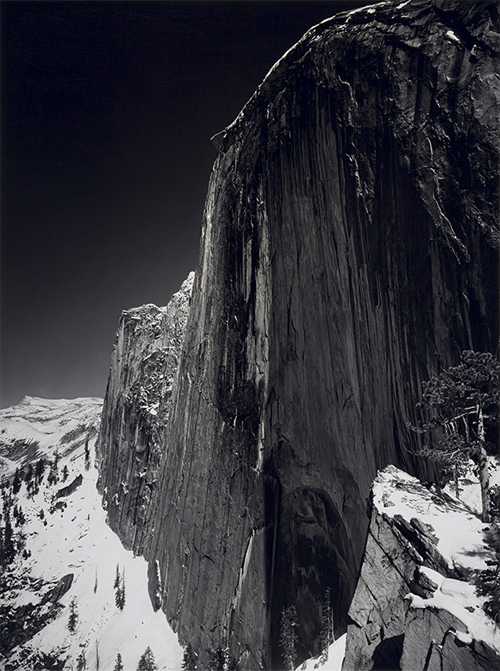
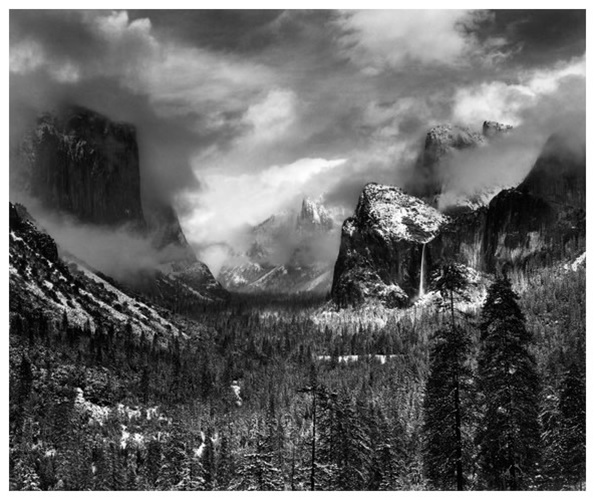
The neg­a­tive by Ansel Adams
Photo tuto­r­ial on devel­op­ing film. Shows nor­mal, under, over­ex­posed negs
Load­ing film onto a reel

Cir­cles is our reg­u­lar forum assign­ment for Spetem­ber
– Self Por­traits in a Mir­ror is our level 2 assign­ment for September

If you liked this pod­cast and want to review it on Itunes, this link gets you to the main page

If you are inter­ested in writ­ing for our blog please con­tact me photography.ca (   A   T  ) G m ail  Dot co m (using stan­dard email formatting)

Please join the Photography.ca fan page on Facebook

My Face­book pro­file — Feel free to “friend” me — please just men­tion Photography.ca
My Twit­ter page — I will fol­low you if you fol­low me — Let’s con­nect — PLEASE email me and tell me who you are in case I don’t rec­i­p­ro­cate because I think you are a spammer.

If you are still lurk­ing on our forum,
feel free to join our friendly :)  Pho­tog­ra­phy forum

Thanks to Lucille B and Michael Van der Tol who posted  blog com­ments about our last pod­cast. Thanks as always to every­one that sent com­ments by email about our last pod­cast. Although ALL com­ments are appre­ci­ated, com­ment­ing directly in this blog is pre­ferred. Thanks as well to all the new mem­bers of the bul­letin board. Most of the links to actual the prod­ucts are affil­i­ate links that help sup­port this site. Thanks in advance if you pur­chase through those links.

If you are look­ing at this mate­r­ial on any other site except Photography.ca — Please hop on over to the Photography.ca blog and pod­cast and get this and other pho­tog­ra­phy info directly from the source. |Sub­scribe with iTunes|Sub­scribe via RSS feed |Sub­scribe with Google Reader|Sub­scribe for free to the Pho­tog­ra­phy pod­cast — Photography.ca and get all the posts/podcasts by Email
You can down­load this pho­tog­ra­phy pod­cast directly by click­ing the pre­ced­ing link or lis­ten to it almost imme­di­ately with the embed­ded player below.

Thanks for lis­ten­ing and keep on shooting!

109 — Flash photography tips — Interview with Joe McNally

Pho­tog­ra­phy pod­cast #109 fea­tures an Inter­view about flash pho­tog­ra­phy with well known pho­tog­ra­pher Joe McNally. Joe has been shoot­ing for decades for well known mag­a­zines life Life, Sports Illus­trated and National Geo­graphic. He was in town giv­ing a sem­i­nar on the vari­ety of light­ing tech­niques you can achieve by using just one or two flashes. After the sem­i­nar I sat down with Joe for this quick inter­view  to talk about flash tips. In this pod­cast we talk about dif­fus­ing your flash, trig­ger­ing your flash and Joe talks about per­sonal projects.

© Joe McNally


Links /resources men­tioned in this podcast:

Joe McNally’s blog  — Joe McNally’s Dance Port­fo­lio
– Cold Bev­er­ages is our reg­u­lar forum assign­ment for July
– Oppo­sites is our level 2 forum assign­ment for July

If you liked this pod­cast and want to review it on Itunes, this link gets you to the main page

If you are inter­ested in writ­ing for our blog please con­tact me photography.ca (   A   T  ) G m ail  Dot co m (using stan­dard email formatting)

Please join the Photography.ca fan page on Facebook

My Face­book pro­file — Feel free to “friend” me — please just men­tion Photography.ca
My Twit­ter page — I will fol­low you if you fol­low me — Let’s con­nect — PLEASE email me and tell me who you are in case I don’t rec­i­p­ro­cate because I think you are a spammer.

If you are still lurk­ing on our forum,
feel free to join our friendly :)  Pho­tog­ra­phy forum

Thanks to Lucille B and Julian who posted  blog com­ments about our last pod­cast. Thanks as always to every­one that sent com­ments by email about our last pod­cast. Although ALL com­ments are appre­ci­ated, com­ment­ing directly in this blog is pre­ferred. Thanks as well to all the new mem­bers of the bul­letin board. Most of the links to actual the prod­ucts are affil­i­ate links that help sup­port this site. Thanks in advance if you pur­chase through those links.

If you are look­ing at this mate­r­ial on any other site except Photography.ca — Please hop on over to the Photography.ca blog and pod­cast and get this and other pho­tog­ra­phy info directly from the source. |Sub­scribe with iTunes|Sub­scribe via RSS feed |Sub­scribe with Google Reader|Sub­scribe for free to the Pho­tog­ra­phy pod­cast — Photography.ca and get all the posts/podcasts by Email
You can down­load this pho­tog­ra­phy pod­cast directly by click­ing the pre­ced­ing link or lis­ten to it almost imme­di­ately with the embed­ded player below.

Thanks for lis­ten­ing and keep on shooting!

108 — Film Photography Rocks — Interview w/John Meadows

Pho­tog­ra­phy pod­cast #108 fea­tures an Inter­view with fine art pho­tog­ra­pher John Mead­ows where we talk about the advan­tages of shoot­ing on film. Although it’s true that film pho­tog­ra­phy is slowly being replaced by dig­i­tal, it con­tin­ues to remain VERY pop­u­lar with fine art pho­tog­ra­phers for a bunch of rea­sons. One of these rea­sons is the incred­i­ble qual­ity of the cam­eras and lenses avail­able to film pho­tog­ra­phers that can be pur­chased these days for peanuts.

In this pod­cast we talk about the advan­tages of shoot­ing on film, film char­ac­ter­is­tics, buy­ing film, devel­op­ing your own film, print­ing your own images in a dark­room, the hybrid approach of using both film and dig­i­tal and more.

Dur­ing this phone inter­view recorded by Skype, the qual­ity of my voice is mediocre and I apol­o­gize in advance for this —  Luck­ily John Meadows’s voice sounds great.

Bro­ken and Unbro­ken © John Meadows


Links /resources men­tioned in this podcast:

Royce Howland’s fol­low up com­ment on the photo-realistic HDR pod­cast
John Mead­ows web­site
John Mead­ows on Flickr
apug.org — Ana­log Pho­tog­ra­phy Users Group
Freestyle film pho­tog­ra­phy sup­plies
Pocket light meter
Mar­shal Oils at B&H
Film at B&H
Photo tours in Mon­treal — Pri­vate pho­tog­ra­phy instruc­tion in Montreal

If you liked this pod­cast and want to review it on Itunes, this link gets you to the main page

If you are inter­ested in writ­ing for our blog please con­tact me photography.ca (   A   T  ) G m ail  Dot co m (using stan­dard email formatting)

Please join the Photography.ca fan page on Facebook

My Face­book pro­file — Feel free to “friend” me — please just men­tion Photography.ca
My Twit­ter page — I will fol­low you if you fol­low me — Let’s con­nect — PLEASE email me and tell me who you are in case I don’t rec­i­p­ro­cate because I think you are a spammer.

If you are still lurk­ing on our forum,
feel free to join our friendly :)  Pho­tog­ra­phy forum

Thanks to John Starmer, Lucille B, chris f, Rob S, Royce How­land, Mike Lang­ford and Del­ben­son­pho­tog­ra­phy who posted  blog com­ments about our last pod­cast. Thanks as always to every­one that sent com­ments by email about our last pod­cast. Although ALL com­ments are appre­ci­ated, com­ment­ing directly in this blog is pre­ferred. Thanks as well to all the new mem­bers of the bul­letin board. Most of the links to actual the prod­ucts are affil­i­ate links that help sup­port this site. Thanks in advance if you pur­chase through those links.

If you are look­ing at this mate­r­ial on any other site except Photography.ca — Please hop on over to the Photography.ca blog and pod­cast and get this and other pho­tog­ra­phy info directly from the source. |Sub­scribe with iTunes|Sub­scribe via RSS feed |Sub­scribe with Google Reader|Sub­scribe for free to the Pho­tog­ra­phy pod­cast — Photography.ca and get all the posts/podcasts by Email
You can down­load this pho­tog­ra­phy pod­cast directly by click­ing the pre­ced­ing link or lis­ten to it almost imme­di­ately with the embed­ded player below.

Thanks for lis­ten­ing and keep on shooting!

107 — Photo Realistic HDR — Interview w/Royce Howland

Pho­tog­ra­phy pod­cast #107  fea­tures an Inter­view with Cana­dian Nature pho­tog­ra­pher Royce How­land. In this pod­cast we talk specif­i­cally about how to get real­is­tic colours using the HDR process. HDR (high dynamic range) is a process that allows us to cap­ture details in the high­lighs and the shad­ows of our images by shoot­ing mul­ti­ple frames of the same image at dif­fer­ent expo­sures and then blend­ing them in software.

Many HDR images that we see on the web have really wonky and unre­al­is­tic colours. We pass no judge­ment on these types of images but this pod­cast is ded­i­cated to get­ting real­is­tic colours using the HDR process. We sum­ma­rize the process from why we do this, to cap­ture, to gear,  to using the soft­ware to cre­ate the images. We also dis­cuss the dif­fer­ences between the HDR process and using grad­u­ated neu­tral den­sity filters.

Old Prairie Church & Storm Front, Mundare Alberta Canada © Royce Howland


That Hal­loween Mood, Glen­more Reser­voir Cal­gary Alberta Canada © Royce Howland


Links /resources men­tioned in this podcast:

Royce How­land web­site
Royce Howland’s fea­ture on Photography.ca
Older HDR arti­cle by Royce How­land
HDR­Soft — Mak­ers of Pho­tomatix
Olo­neo — Mak­ers of Pho­to­Engine
Red Giant — Mak­ers of Magic Bul­let Pho­toLooks
HDR Labs — HDR infor­ma­tion resource
Topaz Adjust
HDR Efex Pro

If you liked this pod­cast and want to review it on Itunes, this link gets you to the main page

If you are inter­ested in writ­ing for our blog please con­tact me photography.ca (   A   T  ) G m ail  Dot co m (using stan­dard email formatting)

Please join the Photography.ca fan page on Facebook

My Face­book pro­file — Feel free to “friend” me — please just men­tion Photography.ca
My Twit­ter page — I will fol­low you if you fol­low me — Let’s con­nect — PLEASE email me and tell me who you are in case I don’t rec­i­p­ro­cate because I think you are a spammer.

If you are still lurk­ing on our forum,
feel free to join our friendly :)  Pho­tog­ra­phy forum

Thanks to Benny and Del­ben­son­pho­tog­ra­phy who posted  blog com­ments about our last pod­cast. Thanks as always to every­one that sent com­ments by email about our last pod­cast. Although ALL com­ments are appre­ci­ated, com­ment­ing directly in this blog is pre­ferred. Thanks as well to all the new mem­bers of the bul­letin board. Most of the links to actual the prod­ucts are affil­i­ate links that help sup­port this site. Thanks in advance if you pur­chase through those links.

If you are look­ing at this mate­r­ial on any other site except Photography.ca — Please hop on over to the Photography.ca blog and pod­cast and get this and other pho­tog­ra­phy info directly from the source. |Sub­scribe with iTunes|Sub­scribe via RSS feed |Sub­scribe with Google Reader|Sub­scribe for free to the Pho­tog­ra­phy pod­cast — Photography.ca and get all the posts/podcasts by Email
You can down­load this pho­tog­ra­phy pod­cast directly by click­ing the pre­ced­ing link or lis­ten to it almost imme­di­ately with the embed­ded player below.

Thanks for lis­ten­ing and keep on shooting!

106 — White balance and why snow is blue

Pho­tog­ra­phy pod­cast #106 dis­cusses the often con­fus­ing topic of white bal­ance and why some­times the cam­era screws up our images like giv­ing us blue snow. Cor­rect­ing this is really easy and it just requires a bit of under­stand­ing of what is going on in the back­ground.  In a very tight over­sim­pli­fied nut­shell, when we see some­thing that has colour, it has that colour due to the colour tem­per­a­ture of the light source illu­mi­nat­ing it.

Light a can­dle in a dark room and look at a white base­ball; it will look orange. The same thing hap­pens with white snow that looks bluish under cloudy over­cast con­di­tions because cloudy light is bluish. Our eyes might not notice the blue because our brain com­pen­sates for the cast because it “knows” that snow is white, but the cam­era often gets it wrong. In this pod­cast we talk about white bal­ance, auto­matic white bal­ance, the white bal­ance pre­sets that your cam­era comes with and set­ting a cus­tom white bal­ance. If you’ve ever wanted to improve the colour accu­racy of your images, this photo pod­cast offers up some fast tips.

Colors and color temperature in photography

Left image — When we see an object that has colour, it has that colour due to the color tem­per­a­ture of the light source illu­mi­nat­ing it. This is why if we take a white base­ball into a room lit only by a can­dle, the base­ball looks orange. The same thing hap­pens when we take a pic­ture of white snow on a cloudy over­cast day and it looks blue. Right image — White light (the kind we see at noon on a sunny cloud­less day) is actu­ally made up of equal parts of Red, Blue and Green light. These are the pri­mary colours in photography.


Blue snow in photography

Left Image — The camera’s AWB (auto­matic white bal­ance) didn’t ren­der this scene prop­erly and the snow looks bluish because the day was cloudy and cloudy light is bluish. Right Image — I cor­rected this in post pro­cess­ing and the snow looks more nat­ural to the eye.


AWB and 2 presets
If your image has a colour cast, to neu­tral­ize it, you add the OPPOSITE colour of the cast. 


Mixed lighting in photography

This image was lit with 2 light sources; the light com­ing from the stove AND over­cast light com­ing in through the win­dows. AWB does a very good job here but is a hint too warm. The cloudy pre­set adds yel­low to com­pen­sate for cloudy light which is blue. In this case it repro­duces too warm. The Incan­des­cent pre­set adds blue to com­pen­sate for incan­des­cent light which is warm. Here it added way too much blue. The cus­tom set­ting, where you take a quick read­ing from a grey card or use a tool like an Expodisc was the most accu­rate and best repro­duced the scene.

Links /resources men­tioned in this podcast:

Spin­rite - To recover crashed hard dri­ves
Allan Lev­ene is run­ning for con­gress!
Grey cards at B&HExpodisc at B&HColor meters at B&H
Pho­tog­ra­phy tours in Mon­treal — One to one pho­tog­ra­phy instruc­tion by yours truly

Wide open aper­ture is our reg­u­lar forum assign­ment for May
– Tex­ture is our level 2 forum assign­ment for May

If you liked this pod­cast and want to review it on Itunes, this link gets you to the main page

If you are inter­ested in writ­ing for our blog please con­tact me photography.ca (   A   T  ) G m ail  Dot co m (using stan­dard email formatting)

Please join the Photography.ca fan page on Facebook

My Face­book pro­file — Feel free to “friend” me — please just men­tion Photography.ca
My Twit­ter page — I will fol­low you if you fol­low me — Let’s con­nect — PLEASE email me and tell me who you are in case I don’t rec­i­p­ro­cate because I think you are a spammer.

If you are still lurk­ing on our forum,
feel free to join our friendly :)  Pho­tog­ra­phy forum

Thanks to Rob vE, Yise­haq and Robertv in Edin­burgh who posted  blog com­ments about our last pod­cast. Thanks as always to every­one that sent com­ments by email about our last pod­cast. Although ALL com­ments are appre­ci­ated, com­ment­ing directly in this blog is pre­ferred. Thanks as well to all the new mem­bers of the bul­letin board. Most of the links to actual the prod­ucts are affil­i­ate links that help sup­port this site. Thanks in advance if you pur­chase through those links.

If you are look­ing at this mate­r­ial on any other site except Photography.ca — Please hop on over to the Photography.ca blog and pod­cast and get this and other pho­tog­ra­phy info directly from the source. |Sub­scribe with iTunes|Sub­scribe via RSS feed |Sub­scribe with Google Reader|Sub­scribe for free to the Pho­tog­ra­phy pod­cast — Photography.ca and get all the posts/podcasts by Email
You can down­load this pho­tog­ra­phy pod­cast directly by click­ing the pre­ced­ing link or lis­ten to it almost imme­di­ately with the embed­ded player below.

Thanks for lis­ten­ing and keep on shooting!